Bello Guides

Five cities, properly known

No procedures on this page. Just the tables we send people to, the walks that are flat and shaded, what to put in the bag, and the weeks of the year worth choosing. We book these cities every week — this is what we've learned in them.

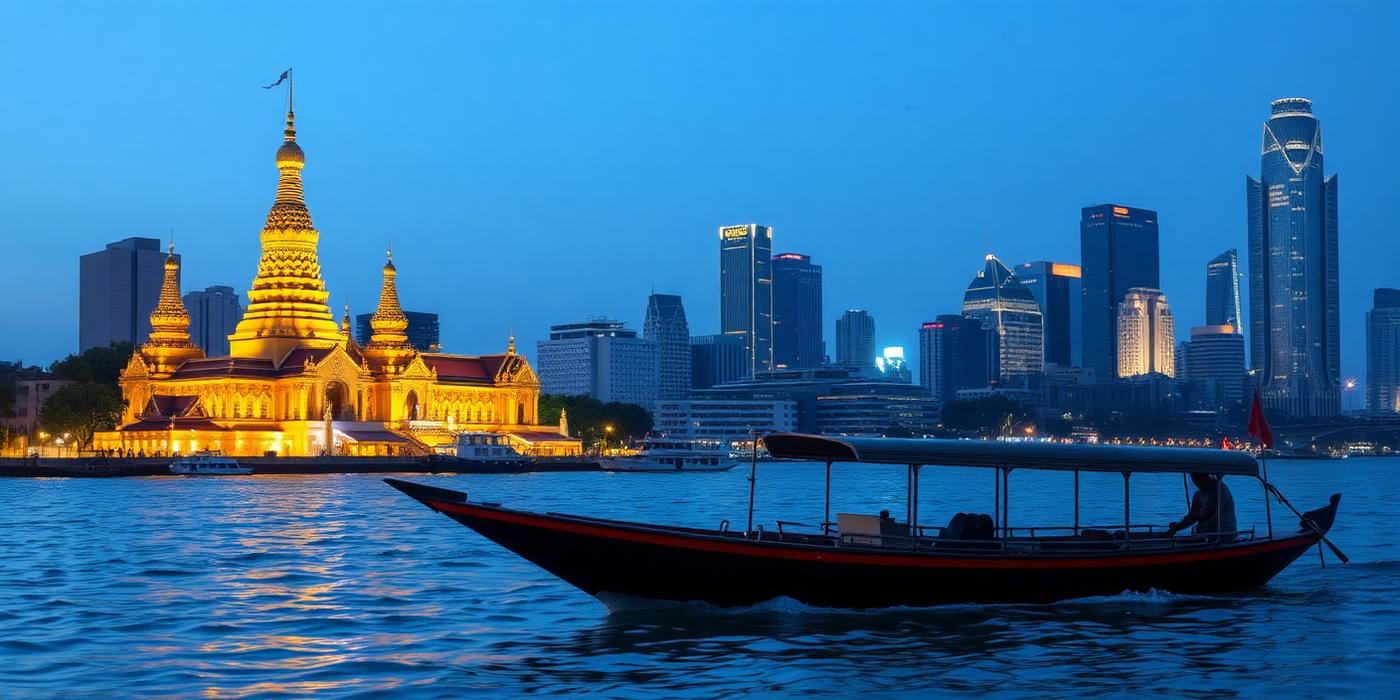
A golden temple and the Bangkok skyline along the Chao Phraya river at blue hour

BKKThailand

Bangkok

When to go

November through February is the cool, dry stretch — mornings in the mid-70s°F and evenings you can sit outside in. March to May is genuinely hot; June to October brings short, heavy afternoon rain that clears by dinner and empties the temples of crowds.

Bangkok rewards the slow visitor. The city that arrives through a taxi window at rush hour — heat, horns, overpasses — is not the city you'll know by day four. That one is river-shaped: ferries every fifteen minutes, teak houses behind walls, a shophouse selling one dish it has sold for forty years. Stay long enough to stop resisting the afternoon, and the whole place reorganizes around the hours you actually feel like moving.

I.Tables worth keeping

  • Err (Tha Tien)

    Grilled, cured, northern-leaning Thai in a small courtyard. Ask for the mildest of everything — the kitchen is used to it and does it well.

  • Baan Ice (Thonglor)

    Southern Thai done gently when you ask. The clear soups and steamed fish are the closest thing to comfort food after a long flight.

  • Broccoli Revolution (Sukhumvit)

    Cold-pressed juice, congee, and grain bowls — the go-to when appetite is low but you need to eat something.

  • Jok Prince (Charoen Krung)

    Rice congee cooked over charcoal since the 1930s. Soft, warm, and open early. Order it plain with ginger.

  • Blue Whale Café (Tha Tien)

    Air-conditioned, quiet, ten minutes from Wat Pho. A good place to sit out the 2pm heat with iced tea.

II.A walk through the city

  1. 01Wat PhoStart at 8am when the reclining Buddha hall is still cool and nearly empty. Twenty minutes is enough; an hour is better.
  2. 02Tha Tien pierCross to Wat Arun on the 5-baht ferry. The crossing is two minutes and the view back at the old city is the photograph everyone means to take.
  3. 03Wat ArunClimb only the first tier — the upper steps are steep. The riverside walk on the far bank is flat, shaded, and the better half of the visit.
  4. 04Chao Phraya express boat, northRide to Thewet in the late afternoon. Sitting down while the city moves past is the whole point.
  5. 05Chinatown after darkYaowarat's food street starts around 6pm. Walk the north side, eat standing up, take a taxi home.

III.What to pack

  • Loose long sleeves — temples require covered shoulders and knees, and light cotton beats a shawl you have to carry
  • Slip-on shoes; you'll remove them constantly
  • A folding umbrella, useful for both rain and sun
  • A refillable bottle — hotels and cafés refill freely
  • One warm layer for aggressively air-conditioned malls and taxis
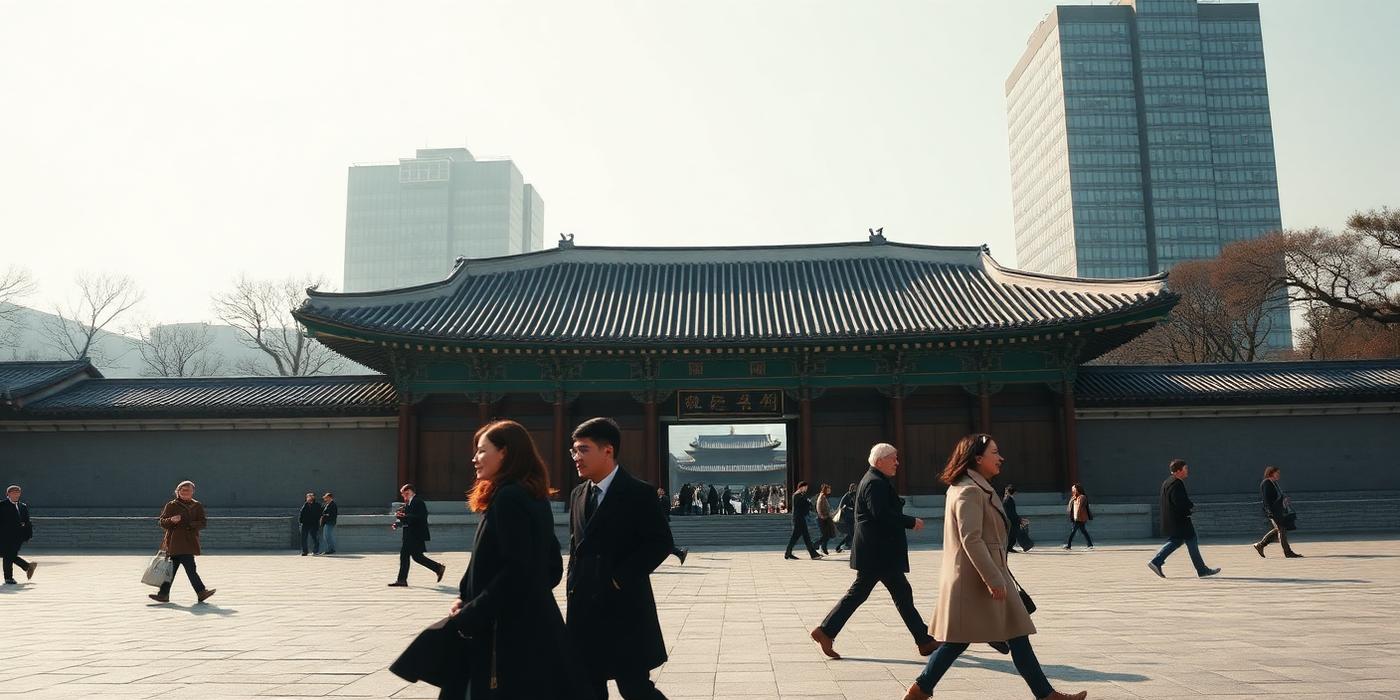
Gyeongbokgung palace gate in Seoul with modern glass towers behind

ICNSouth Korea

Seoul

When to go

Late April through May and late September through October: mild, dry, and the two windows locals themselves plan around. Winter is cold but the museums and covered markets are made for it; August is humid and best spent indoors between early mornings.

Seoul is a city of hills pretending to be a grid. Walk any direction from a subway exit and within four minutes you're on a lane too steep for cars, lined with cafés the size of a living room. It's also the easiest big Asian city to navigate on a first visit — the subway is signed in English, taxis are metered and quick, and the whole place runs late without ever feeling chaotic.

I.Tables worth keeping

  • Tosokchon (Gyeongbokgung)

    Whole-chicken ginseng soup — samgyetang. Soft, unspiced, restorative, and served in ten minutes.

  • Gwangjang Market

    Go at 11am before the crowd. Mung-bean pancakes and hand-cut noodles; ask for the vegetable-only version if you're avoiding chili.

  • Balwoo Gongyang (Insadong)

    Temple cuisine, reservation-only, quietly one of the best meals in the city. No garlic, no onion, nothing heavy.

  • Onjium (Jongno)

    Refined Korean court cooking in small courses. Worth one proper dinner out.

  • Café Onion (Anguk)

    A former bathhouse turned bakery. Good bread, good light, a place to spend an hour doing nothing.

II.A walk through the city

  1. 01GyeongbokgungArrive for the 10am changing of the guard, then walk the palace grounds counterclockwise to avoid the tour groups.
  2. 02Bukchon Hanok VillageResidential — people live here. Keep voices down, stick to the marked lanes, and go before noon.
  3. 03Samcheong-dongDownhill from Bukchon: galleries, stationery shops, and the best flat-walking stretch in the old city.
  4. 04Cheonggyecheon streamA sunken stream walk through downtown, entirely step-free once you're down. Cool in summer, lit at night.
  5. 05Namsan by cable carSkip the stairs. Go an hour before sunset for the city-wide view without the after-dark queue.

III.What to pack

  • Real walking shoes — Seoul is hills and stairs, more than the map suggests
  • A T-money card from any convenience store, good for subway, bus, and most taxis
  • Layers: indoors runs warm, streets run cold, and both happen in one afternoon
  • Sunscreen — the pharmacies here are a pleasure, so under-pack this on purpose
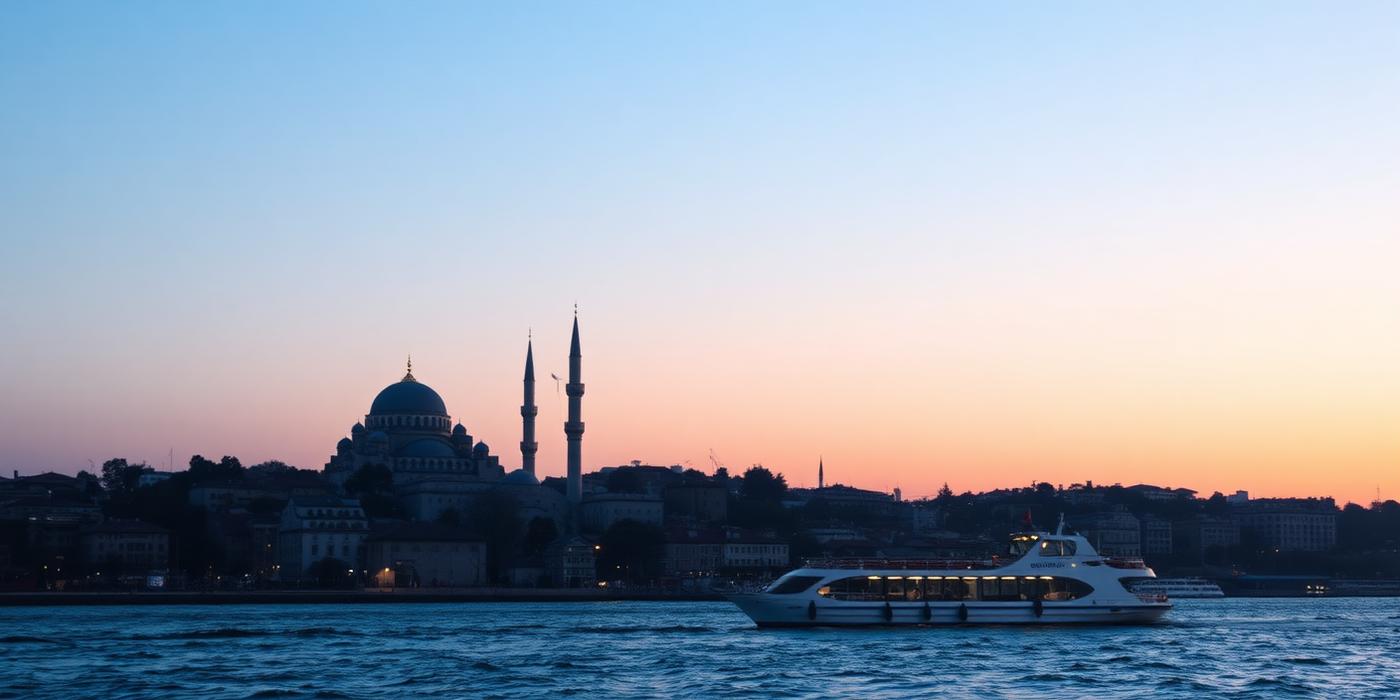
A ferry crossing the Bosphorus in front of Istanbul's domes and minarets at dusk

ISTTurkey

Istanbul

When to go

April to early June and September to October — warm days, cool evenings, and the Bosphorus at its calmest. July and August are hot and crowded; winter is grey and atmospheric, with the hamams at their best.

Istanbul is best understood from the water, and the water costs almost nothing. A ferry ticket costs less than a coffee and buys you the only view in which the whole city makes sense at once: two continents, a dozen domes, gulls keeping pace with the deck. Do that on your first evening and everything you walk afterward has a place to sit in your head.

I.Tables worth keeping

  • Çiya Sofrası (Kadıköy)

    Regional Anatolian home cooking, ordered by pointing. Vegetable stews, stuffed things, nothing aggressive.

  • Karaköy Lokantası

    Meze at lunch, a proper white-tablecloth room, and a menu that's kind to a small appetite.

  • Van Kahvaltı Evi (Cihangir)

    Breakfast as an event: honey, clotted cream, olives, eggs. Two people, one order.

  • Kantin (Nişantaşı)

    Seasonal, daily-changing, and the most restrained cooking in the city. Good soup, always.

  • Pierre Loti Hill café

    Reached by cable car above the Golden Horn. Tea, a view, and no reason to hurry.

II.A walk through the city

  1. 01Süleymaniye MosqueQuieter than the Blue Mosque and better sited. The terrace behind it overlooks the Golden Horn.
  2. 02Spice BazaarFifteen minutes is enough. Buy the pistachios, skip the carpet conversation.
  3. 03Eminönü ferry to KadıköyTwenty minutes across, and the single best-value hour in Istanbul. Sit outside at the back.
  4. 04Moda seafront, KadıköyA flat, shaded promenade with benches every fifty meters — the easiest walk in the city.
  5. 05Bebek to Rumeli HisarıWaterfront café strip on the European side, mostly level, with a fortress at the end of it.

III.What to pack

  • A scarf — mosque visits require covered heads for women, and it doubles as an evening layer
  • Shoes with grip: the old city's cobbles are uneven and often damp
  • A contactless card for the İstanbulkart, which covers ferries, trams, and funiculars
  • Cash in small notes for markets and neighborhood cafés
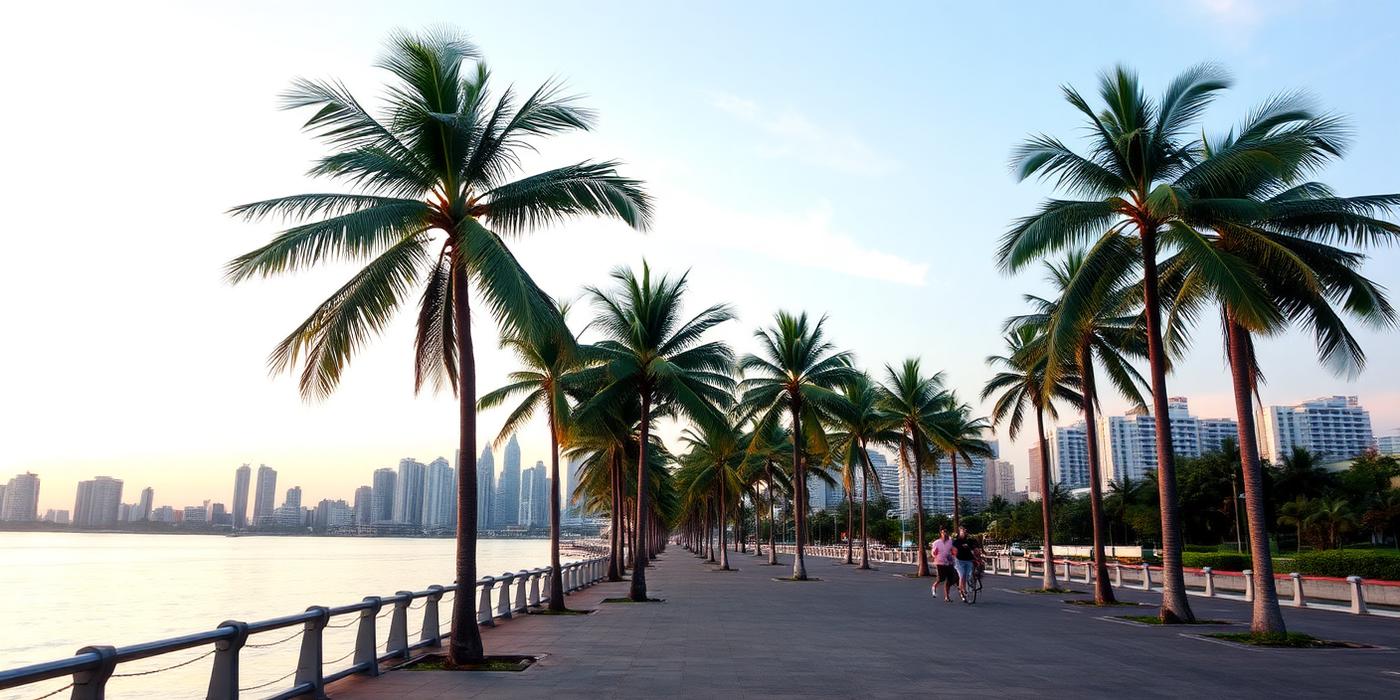
Manila's bayfront skyline at sunset with palms and low clouds

MNLPhilippines

Manila

When to go

December through February — dry, breezy, and the coolest stretch of the year. March to May is hot; June through October is the rainy season, when afternoon storms are heavy but short.

Manila is the easiest city in Asia to arrive in and the hardest to summarize. English is everywhere, hospitality is genuinely constitutional, and the city organizes itself into distinct districts that each feel like a separate town — colonial-walled Intramuros, low-rise Poblacion, sea-facing Roxas Boulevard. Pick two and know them well rather than crossing town twice a day.

I.Tables worth keeping

  • Toyo Eatery (Makati)

    Filipino cooking taken seriously, in small courses. The vegetable dishes are the reason to go.

  • Manam (multiple)

    Comfort classics in half portions, so you can order five things and finish two. The best first meal in the city.

  • Wildflour (BGC)

    Bakery and all-day café; reliable, air-conditioned, and open early for soft food and coffee.

  • Café Adriatico (Malate)

    An old Manila institution — tiled floors, arroz caldo, and a slow room at night.

  • Locavore (Kapitolyo)

    Loud, generous, and best with a group. Ask for dishes toned down on chili and they will.

II.A walk through the city

  1. 01Intramuros wallsStart at Fort Santiago at 8am, walk the ramparts before the sun turns. Flat, shaded in stretches.
  2. 02San Agustin ChurchThe oldest stone church in the country; the attached museum's cloister is cool and quiet at midday.
  3. 03Bambike bamboo bike tourThe most comfortable way to see the whole walled city without walking it twice.
  4. 04Roxas Boulevard baywalkLate afternoon, flat the entire way, and the sunset genuinely earns its reputation.
  5. 05Poblacion after darkThree or four walkable blocks of small bars and kitchens. Everything is within a five-minute stroll.

III.What to pack

  • An umbrella that handles both sun and a sudden downpour
  • A light rain shell rather than a heavy jacket
  • Insect repellent for evenings near the bay
  • A ride-hailing app installed before you land — traffic makes flag-down taxis a gamble
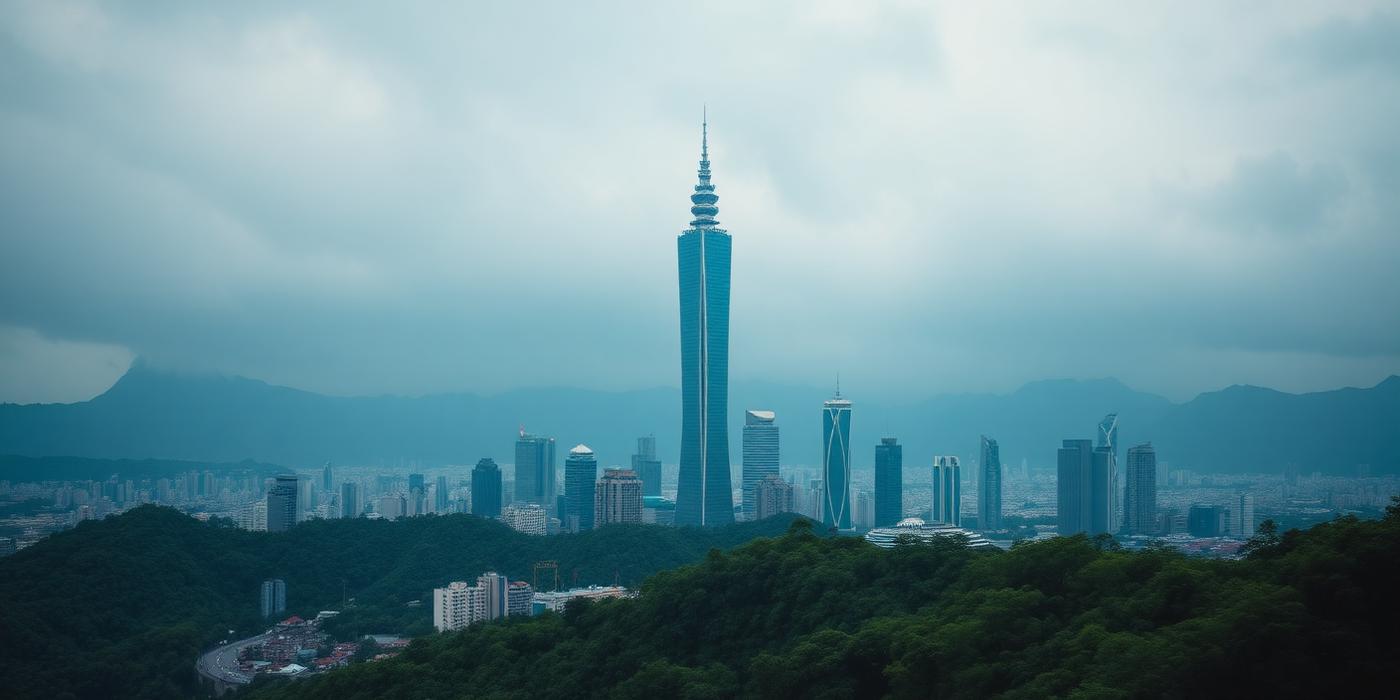
Taipei's skyline with green mountains behind and lantern-lit streets in the foreground

TPETaiwan

Taipei

When to go

October and November are close to perfect: dry, mild, and clear enough to see the mountains from the city. March to May is pleasant with occasional drizzle; typhoon season peaks in August and September.

Taipei is the most quietly comfortable city on this list. The metro is spotless and signed in English, the mountains start where the streets end, and hot-spring towns sit thirty minutes from downtown. It's a city that never demands anything of you — which is precisely why people who come once tend to come back.

I.Tables worth keeping

  • Yongkang Beef Noodle

    The city's signature bowl. Order the clear broth version if you want it gentle.

  • Din Tai Fung (Xinyi)

    Yes, it's famous; yes, it's still excellent. Steamed dumplings and vegetable plates, in and out in forty minutes.

  • Shanyuan (Da'an)

    Vegetarian Taiwanese in a calm room. Rice porridge, braised greens, nothing heavy.

  • Fujin Tree 353 (Songshan)

    Café-lined street, good bread, and a neighborhood that rewards aimless walking.

  • Ningxia Night Market

    Smaller and more manageable than Shilin. Go at 6pm, walk one side, eat three things.

II.A walk through the city

  1. 01Dihua StreetRestored merchant houses, dried-goods shops, and tea. Flat, covered arcades the whole way.
  2. 02Bopiliao historic blockA single restored Qing-era street, ten minutes to walk and rarely crowded.
  3. 03Daan Forest ParkThe city's green center. Benches, shade, and a loop you can shorten at any point.
  4. 04Maokong gondolaTwenty minutes up to tea houses in the hills. Sit-down sightseeing at its best.
  5. 05Beitou hot springsThirty minutes by metro. Check with your coordinator before soaking if you're recovering.

III.What to pack

  • An EasyCard for metro, buses, and convenience stores
  • A light rain jacket — Taipei drizzles more than it pours
  • Comfortable shoes with dry grip for wet pavement
  • A small towel if you plan on Beitou